



×
 Time:2022-03-19
NHU is committed to comprehensive material solutions and one-stop customer service in key areas such as new energy, transportation, intelligent communications, and industrial manufacturing. We develop lighter and safer automotive materials with better performance to effectively assist the light-weighting and emission reduction of cars, contributing to the “carbon peak” and “carbon neutralization” action.
Smog in the air can cause damage to human respiratory system and cardiovascular system. Industrial waste gas contains a high level of PM2.5, which is the biggest source of smog. Therefore, the quality of industrial dust bag for environmental protection directly affects the result of air treatment. We have developed 1.11 and 0.89 dtex polyphenylene sulfide ultra-fine fibers, which increases the filtration efficiency of the dust bag to over 99.995%. It further reduces the outlet concentration of industrial flue gas, contributing to clearer sky and fresher air.

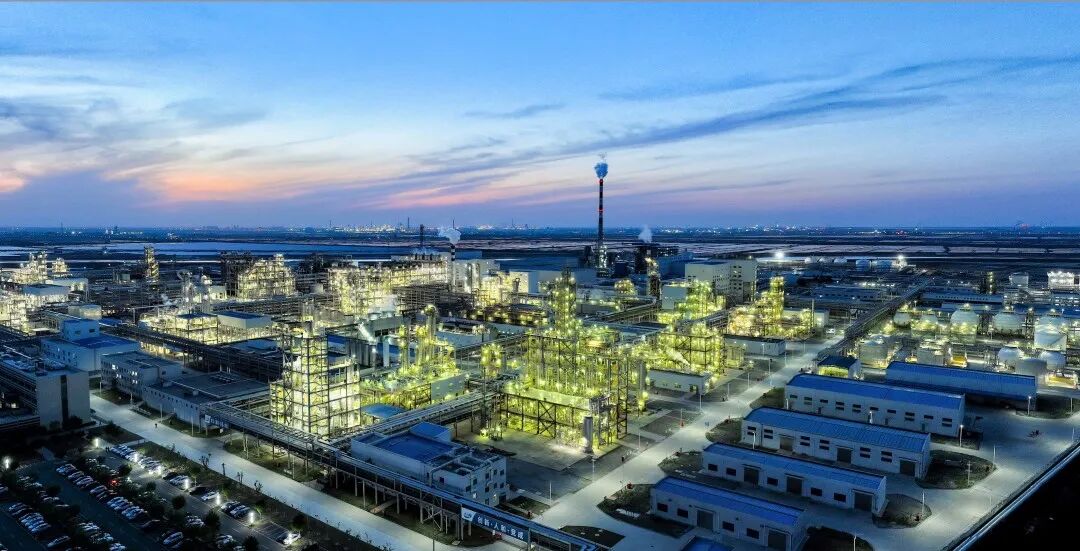
Recently, Phase I of the new materials industrial chain project (Nylon 66 integrated project) of Tianjin NHU Materials Technology Co., Ltd. has entered the stage of full-scale installation of steel structures and equipment, with construction on track for completion and commissioning in July 2027.
View details
The China National Intellectual Property Administration (CNIPA) recently announced the winners of the 26th China Patent Awards. NHU’s invention patent, “A Clean Method for the Preparation of D,L-Methionine,” stood out among numerous entries for its outstanding technological innovation and significant industrial value, earning the company another China Patent Silver Award. To date, NHU has received two China Patent Gold Awards, two Silver Awards, and six Merit Awards.
View details

The aquafeed market has been highly volatile in recent months. With fishmeal prices remaining elevated and supplies increasingly tight, the cost pressures associated with high-fishmeal formulations continue to weigh on both feed manufacturers and aquaculture producers. To mitigate these pressures, the industry has increasingly turned to alternative protein sources—including plant, insect and microbial proteins—and adopted low-fishmeal formulations.
View details