



×
 Time:2022-03-19
Our planet needs to feed a population of 9.7 billion in 2050. The demand for animal protein and food continues to rise. This puts great pressure on the environment, food supply and limited natural resources.
Meanwhile, about 1/3 of the food from animal protein production is being lost or wasted. Animal protein is an important part of healthy and balanced nutrition and is necessary to provide key micronutrients. Therefore, we need to avoid losing or wasting such precious resources.
With technological innovation, NHU strives to change the way that animals are fed. We provide scientific solutions for human health and animal farming and improve the quality of animal food, to reduce the loss and waste of the entire value chain. The use of our products such as vitamins, methionine, astaxanthin and cantharidin in animal premix and feed can strengthen animal immunity and meat quality, which helps to provide high quality animal protein.

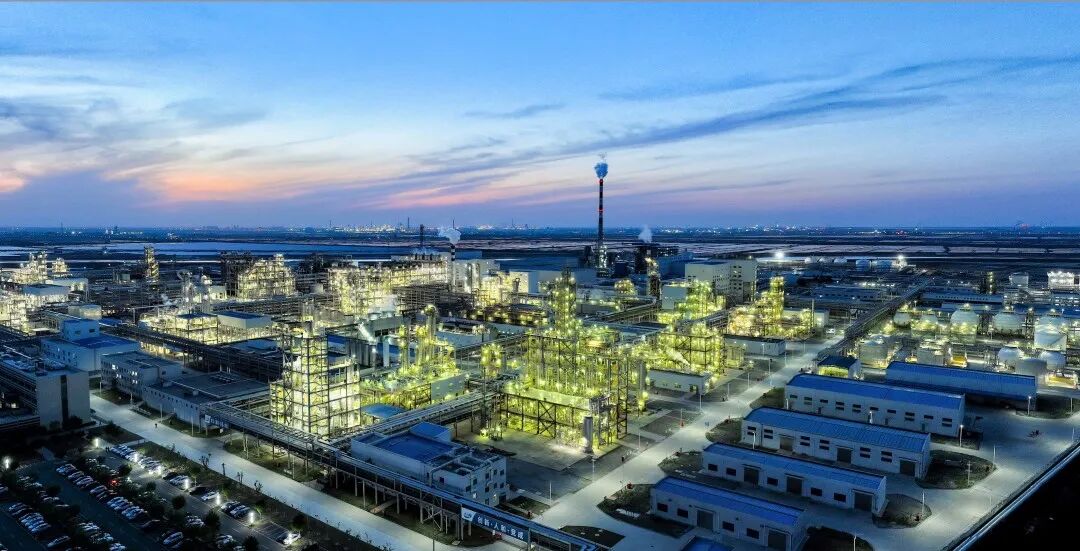
Recently, Phase I of the new materials industrial chain project (Nylon 66 integrated project) of Tianjin NHU Materials Technology Co., Ltd. has entered the stage of full-scale installation of steel structures and equipment, with construction on track for completion and commissioning in July 2027.
View details
The China National Intellectual Property Administration (CNIPA) recently announced the winners of the 26th China Patent Awards. NHU’s invention patent, “A Clean Method for the Preparation of D,L-Methionine,” stood out among numerous entries for its outstanding technological innovation and significant industrial value, earning the company another China Patent Silver Award. To date, NHU has received two China Patent Gold Awards, two Silver Awards, and six Merit Awards.
View details

The aquafeed market has been highly volatile in recent months. With fishmeal prices remaining elevated and supplies increasingly tight, the cost pressures associated with high-fishmeal formulations continue to weigh on both feed manufacturers and aquaculture producers. To mitigate these pressures, the industry has increasingly turned to alternative protein sources—including plant, insect and microbial proteins—and adopted low-fishmeal formulations.
View details